Toxic Fish Warning Issued for Colorado Lakes Due to ‘Forever Chemicals’
A warning from the Colorado Department of Public Health and Environment is making waves after tests revealed high levels of toxic PFAS—commonly known as “forever chemicals”—in fish from several popular Colorado lakes. Anglers who frequent places like Chatfield Reservoir and Quincy Reservoir are now being advised to limit their consumption of locally caught fish due to the potential health risks tied to these persistent pollutants.
PFAS, or perfluoroalkyl and polyfluoroalkyl substances, are man-made chemicals found in everyday products like nonstick pans, cosmetics, waterproof clothing, and fast-food wrappers. These substances don’t break down in nature and can accumulate in both the environment and the human body. Exposure through drinking water, food, or even air can contribute to a growing list of health concerns, including cancer, hormonal disruptions, fertility problems, and thyroid disease. Alarmingly, studies suggest that 97% of Americans already have detectable levels of PFAS in their bloodstreams.
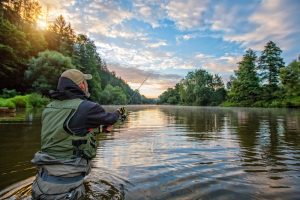
Colorado Parks and Wildlife helped conduct the study and has since posted advisory signs at affected lakes, including Chatfield, Cherry Creek, and Quincy. Local fisherman Mark McClellan, who often fishes at Chatfield, expressed frustration at not knowing sooner. “I would have loved to have known that,” he said.
Despite the contamination, state officials are not moving to close the lakes. Instead, their focus is on transparency—providing residents with enough information to make informed choices while still enjoying Colorado’s outdoor offerings. Israel Lopez, another local lakegoer, told CBS News Colorado he was shocked to hear about the chemicals: “I didn’t know there were all those chemicals out here in the water.”
While some companies are beginning to phase out PFAS use, the fight to remove these chemicals from our environment is ongoing. In the meantime, health experts urge Coloradans to stay informed and cautious—especially when it comes to eating what they catch.