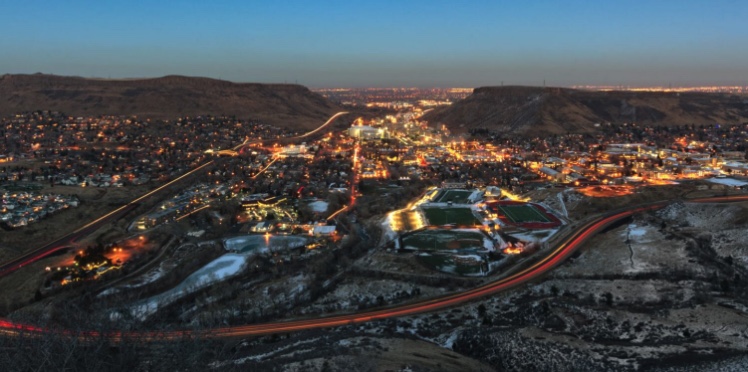
The History of Lookout Mountain in Golden, Colorado
Rising 7,377 feet above Golden, Colorado, Lookout Mountain is one of the most recognizable peaks along the Front Range. For centuries, it has served as a vantage point, a cultural landmark, and a recreational haven, drawing everyone from Native American tribes to modern-day hikers, cyclists, and tourists. Its story is layered with history that connects Colorado’s ancient past to its booming present.
Indigenous Significance
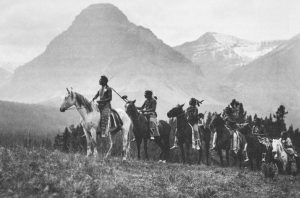
Long before settlers arrived, Lookout Mountain was an important place for the Ute people, who used its high vantage point to watch over the plains and mountain valleys. The mountain provided not just a sweeping view but also a sense of security and connection to the land. Even today, names like Colorow Point honor Ute leaders who once camped and held councils in the area.
Early Development Dreams
By the late 19th century, Denver’s population was growing, and civic leaders began imagining mountain parks where city residents could escape the summer heat. In 1889, Lookout Mountain was chosen as the site for a grand resort-style park designed by Frederick Law Olmsted Jr., son of the famed Central Park architect. The plan was ambitious, but the Silver Crash of 1893 halted progress and left the vision unfulfilled.
A few years later, investors tried another approach—building a narrow-gauge railway to carry visitors from Denver to the mountain’s summit. Construction began in 1890, but financial troubles doomed the project by the end of the decade. Though incomplete, these early attempts hinted at the mountain’s potential as a recreational landmark.
The Scenic Road and Denver Mountain Parks
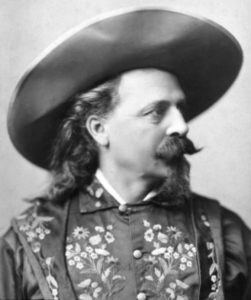
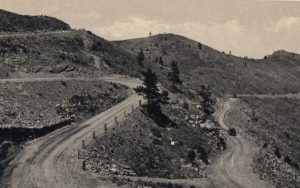
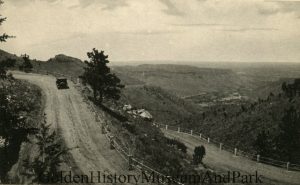
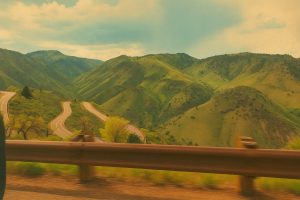
The dream became reality in 1912 when a local character known as “Cement Bill” Williams carved out a winding road up the mountain. With 56 switchbacks and 4.6 miles of curves, the Lariat Loop road became both a marvel of engineering and a magnet for visitors. The road was soon integrated into the Denver Mountain Parks system, officially bringing Lookout Mountain into the city’s collection of preserved outdoor spaces.
Stone pillars were erected at the base of the mountain in 1917 to mark the entrance, symbols that still stand today as reminders of the era when Denver sought to expand its reach westward into the Rockies.
Buffalo Bill’s Final Resting Place
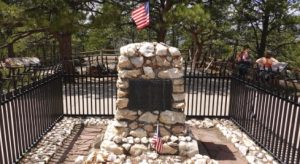
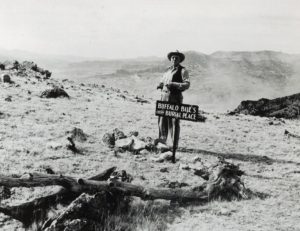
The event that placed Lookout Mountain firmly on the map came in 1917, when William “Buffalo Bill” Cody, the legendary frontiersman and showman, was buried at the summit. His gravesite quickly became a destination for tourists, and in 1921, a rustic lodge called the Pahaska Tepee opened nearby as a museum dedicated to his life and legacy. For over a century, the Buffalo Bill Museum and Grave has drawn visitors from around the world to the mountain’s peak.
Boettcher Mansion and the Modern Era
That same year, industrialist Charles Boettcher built a lodge near the summit as a summer retreat for his family. Constructed of local stone and timber, the mansion embodied the rustic charm of Colorado’s mountain architecture. In 1968, the Boettcher family donated the estate and surrounding land to Jefferson County, and today it serves as a public event space, further tying the mountain to community life.
Recreation and Legacy
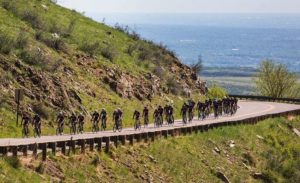
In addition to its cultural history, Lookout Mountain has become one of the region’s most beloved recreational spots. Cyclists regularly challenge themselves on the steep curves of the Lariat Loop, hikers explore trails like Chimney Gulch, and paragliders take to the skies from its slopes. The Lookout Mountain Nature Center offers education and conservation programs, ensuring future generations understand the ecological importance of the foothills.
A Mountain of Many Stories
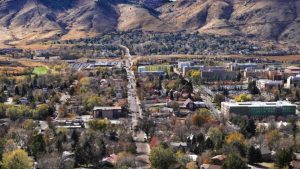
From its role as a Ute lookout to its adoption as part of Denver’s Mountain Parks, from the burial of Buffalo Bill to its modern reputation as a playground for outdoor enthusiasts, Lookout Mountain embodies the evolving history of Colorado itself. It is a place where natural beauty, human ambition, and cultural memory converge. To stand on its summit is to take in not only the sweeping views of Golden, Denver, and the distant plains, but also to feel the weight of a history that continues to shape the Front Range.