Mandela Effect: Colorado Bears Don’t Truly Hibernate
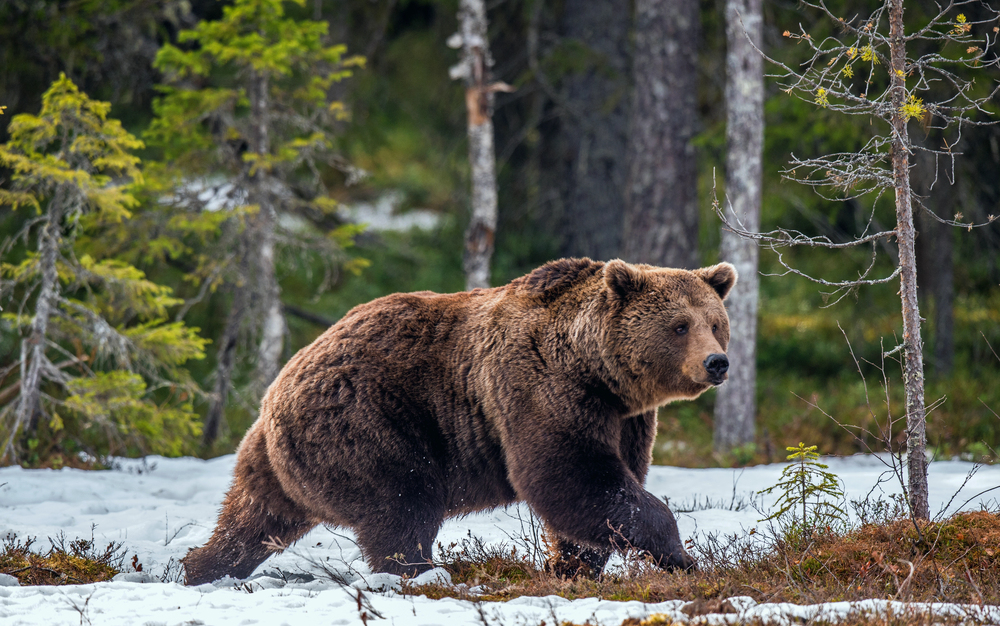
Most of us picture hibernating bears like something out of a cartoon — bellies full, tucked away in a cave, snoozing through the entire winter. But in Colorado, that image isn’t quite reality.
Colorado’s unpredictable weather plays a big role. With winter days that can unexpectedly climb into the 70s or even 80s, bears don’t always stay down for the long haul. Instead of true hibernation, they enter a state called torpor. In torpor, bears lower their metabolism and sleep for long stretches, but they can wake up multiple times during the season to wander out in search of food.
The number of wake-ups depends on the bear, and if food is available, they won’t hesitate to take advantage of it. That’s why Colorado Parks and Wildlife stresses the importance of keeping trash secured and food sources locked away. Easy meals from humans can disrupt the natural cycle and keep bears active longer than they should be.
So even in the dead of winter, don’t be surprised if a bear stirs for a midnight snack. Colorado’s bruins may look like they’re hibernating — but really, they’re just light sleepers.