Colorado’s First 3D-Printed Homes Offer Speed, Safety, and Fire Resistance
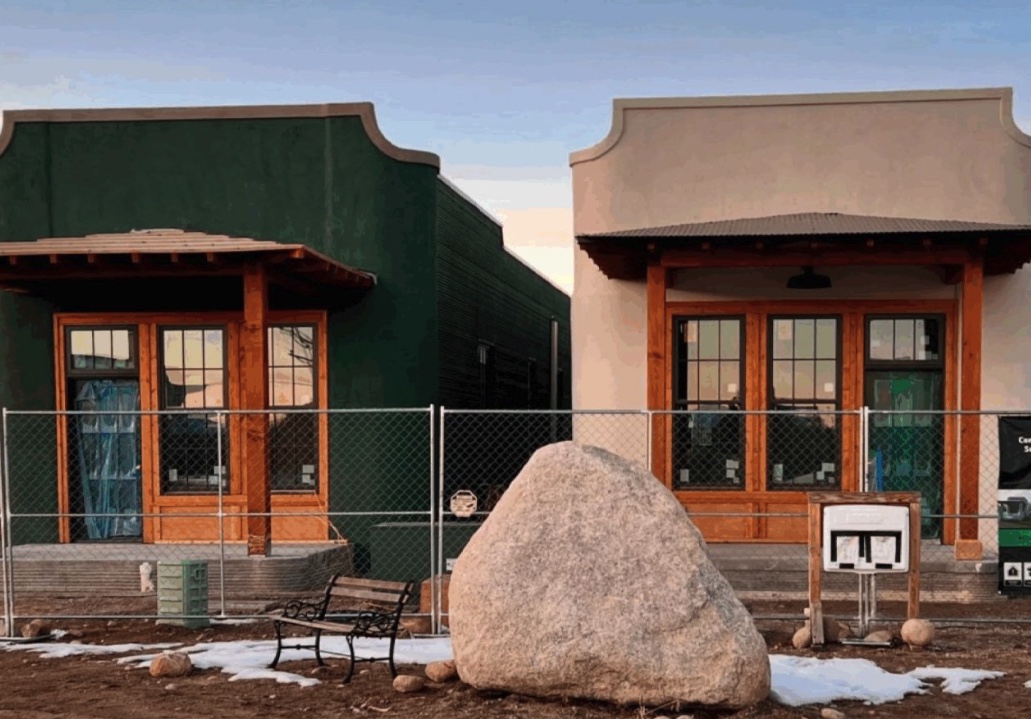
At first glance, the two homes in Buena Vista look like any other mountain houses — one finished with smooth green stucco, the other showing its layered concrete walls. But these side-by-side properties, dubbed VeroVistas, mark a major milestone: they are Colorado’s first fully 3D-printed homes.
Built by Denver-based VeroTouch, the project showcases how massive concrete printers can speed up construction and boost resilience at the same time. The company’s COBOD BOD2 printer stacked concrete layer by layer, finishing one of the homes in just 16 days of printing time. While the first house took longer due to research and trial runs, the second build proved the process can be scaled and streamlined for real neighborhoods.
The innovation goes far beyond speed. Colorado faces increasing wildfire threats, and nearly half of residents live in high-risk zones. Unlike traditional wood-frame houses, the VeroVistas homes use A1-rated concrete walls — the highest possible fire-resistance rating. These walls won’t ignite or fuel flames, offering a level of security conventional homes can’t match. They’re also mold-resistant, energy-efficient, and designed to last for generations.
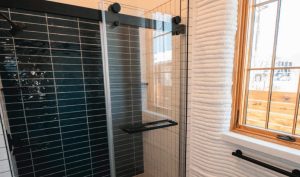
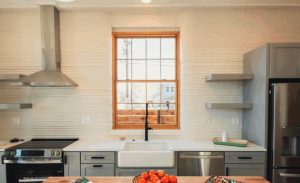
Inside, each 1,100-square-foot home feels anything but experimental. Heated bathroom floors, quartz countertops, and modern appliances make them competitive with any new build in the region. Priced at $625,000, they sit right in line with mountain community housing, proving advanced construction doesn’t have to mean luxury-only price tags.
The project was built in partnership with South Main, a local developer, while electricians, plumbers, and finishers were all hired locally — keeping investment in the community. The effort even earned a $680,000 grant from Colorado’s Innovative Housing Incentive Program, aimed at accelerating affordable housing statewide.
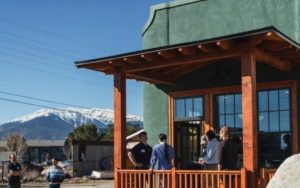
Following the Buena Vista debut, VeroTouch is already moving forward with a 32-home development in Salida, and interest is quickly growing. CEO Grant Hamel calls them “legacy homes” — designed to last a century or more. For a state that has watched entire communities erased by wildfire, this combination of fire safety, affordability, and cutting-edge construction feels like a breakthrough that could reshape Colorado housing.