Denver’s Old Movie Theaters and the Glittering Lights of Curtis Street
Long before megaplexes and streaming, Denver had its own golden era of movie-going — an age of nickelodeons, ornate theaters, and a stretch of downtown so dazzling it was nicknamed “Denver’s Great White Way.”
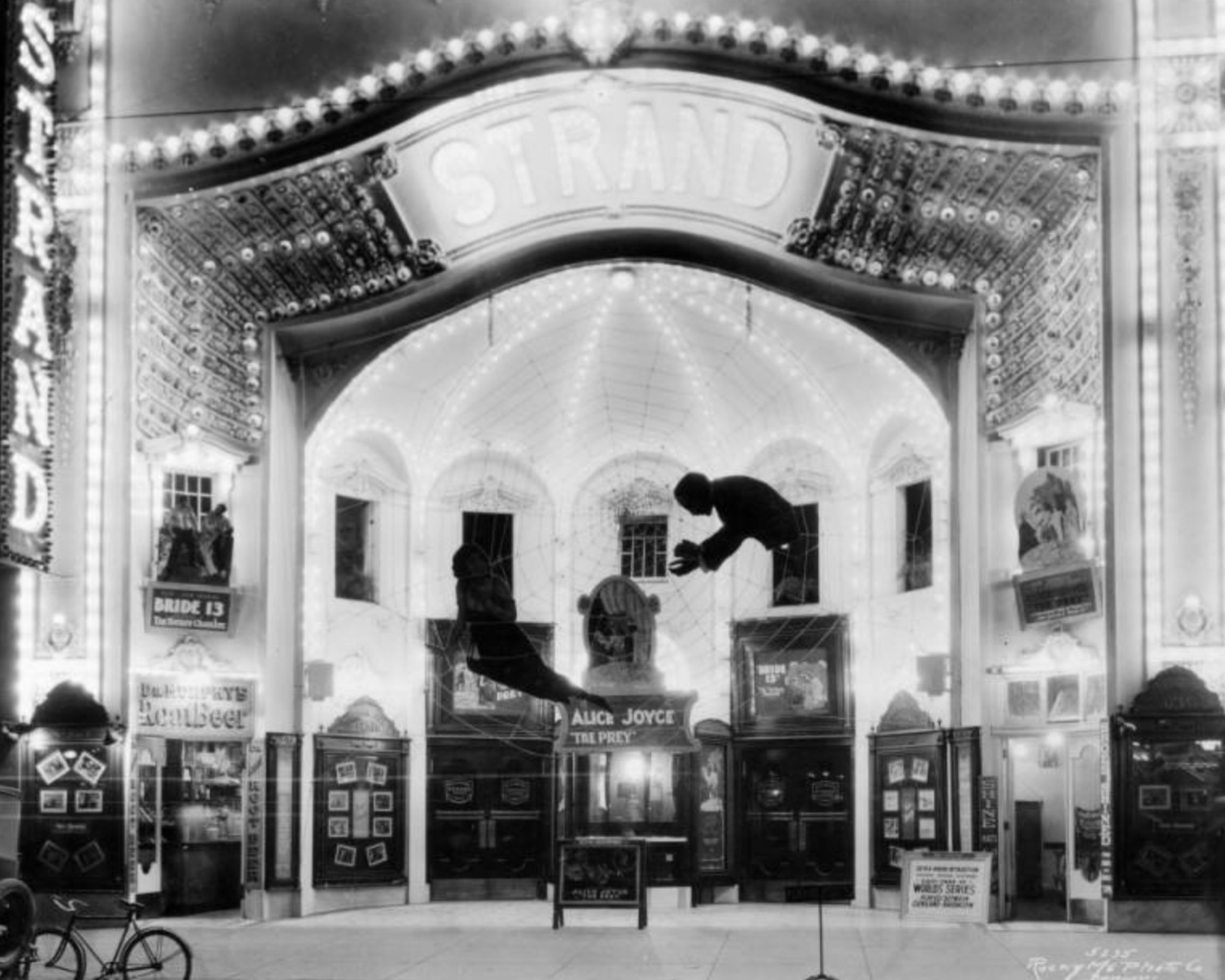
In the early 1900s, Curtis Street was the heart of Denver’s entertainment district. The block between 16th and 19th was lined with glittering electric lights and bright marquees, guiding theatergoers to vaudeville shows, silent films, and eventually the latest talkies. For many families and couples, a night downtown was more than just watching a film — it was an event, complete with strolling under the glow of neon and grabbing a meal at a bustling café before or after the show.
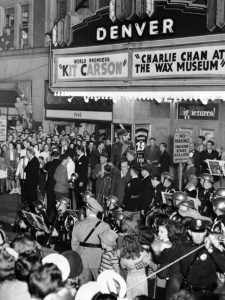
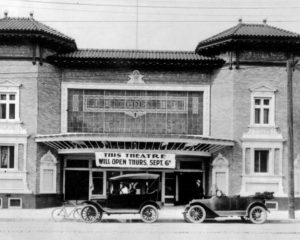
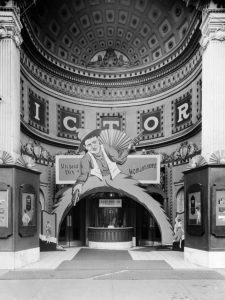
The city’s first nickelodeons — tiny five-cent theaters where early silent films flickered to life — quickly grew into grander spaces as cinema’s popularity exploded. Among the most famous was the Denver Theater, built in 1871, which became a cultural anchor for decades. It evolved into a stage and film house before being demolished in the 1950s, a loss still felt by local history buffs. The Orpheum was another hotspot, first home to vaudeville acts and later pivoting to film as audiences’ tastes changed. And of course, the Paramount Theatre, built in the 1930s, remains a living artifact of the period with its art deco design and restored marquee still lighting up downtown.
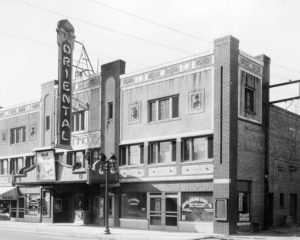
Outside the bustle of Curtis Street, neighborhoods had their own beloved movie palaces. In the Highlands, the Oriental Theater opened in 1927, showcasing art deco flourishes and a single giant screen that served generations of Denver families. For years, kids spent Saturdays there, couples saw their first dates there, and parents relied on it for affordable neighborhood entertainment. Though the Oriental eventually fell on hard times, it was revived as a live music and arts venue, carrying its history forward into the present.
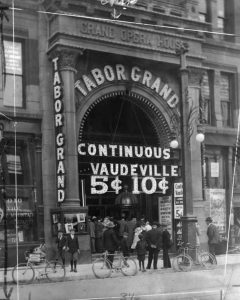
For longtime Denverites, memories of these theaters are more than nostalgia — they’re part of the city’s identity. The smell of popcorn wafting into the night, the buzz of electric lights on Curtis Street, and the excitement of Hollywood’s golden age playing out in lavish auditoriums helped shape Denver’s cultural landscape. Though many of those nickelodeons and grand theaters are gone, their spirit survives in places like the Paramount and the Oriental, and in the stories of a time when downtown Denver glowed with the magic of light, sound, and cinema.