Robo-Taxis Hit the Streets in Denver: The Future of Rides Is Here
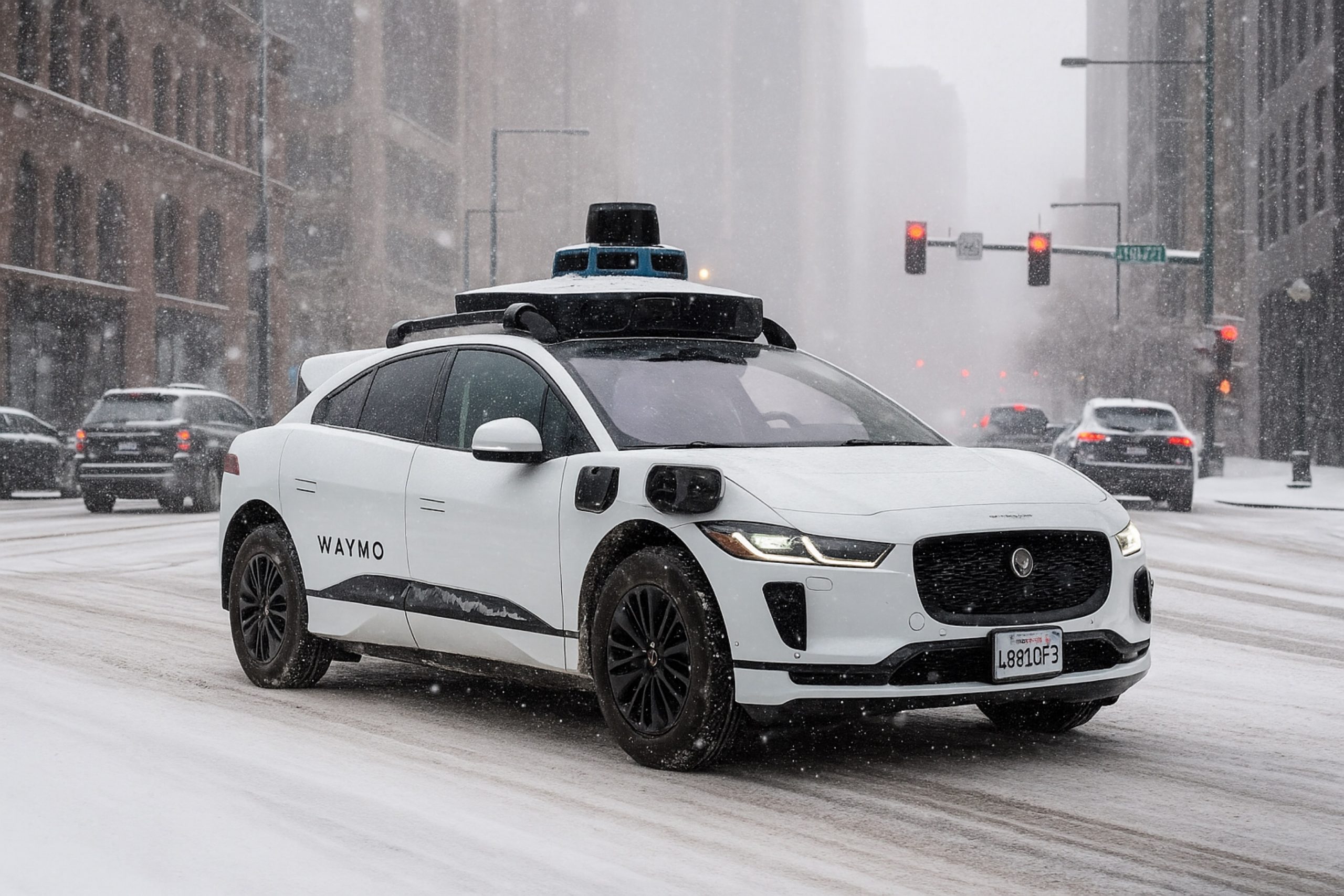
The future of transportation just pulled into Denver. Waymo, the autonomous driving company owned by Google’s parent Alphabet, has begun testing its robo-taxi fleet in the Mile High City.
On September 2, a dozen Waymo electric vehicles hit Denver streets for an exploratory phase — mapping, gathering data, and working with city officials before offering rides to the public. Denver joins Miami and Washington, D.C. as one of the newest test markets, adding to Waymo’s active operations in Los Angeles, Phoenix, San Francisco, Atlanta, and Austin.
The promise of self-driving cars is huge: fewer crashes, shorter commutes, and expanded access for older adults or people with disabilities who may not be able to drive. Some reports even suggest the technology could open up millions of new job opportunities for people with mobility challenges. Still, there are risks — driver job losses, potential cybersecurity threats, and even something as simple as passenger motion sickness.
Colorado leaders are embracing the trial. Governor Jared Polis highlighted the innovation as a boost for the state’s tech-forward reputation, while Denver Mayor Mike Johnston praised the climate-friendly fleet as a step toward safer, cleaner streets. But challenges remain. In other cities, Waymo’s cars have occasionally stalled or driven unpredictably — concerns that Denver residents will be watching closely.
Perhaps the biggest test? Colorado winters. Unlike Phoenix or San Francisco, Denver’s snow and ice could push autonomous driving tech to its limits. For now, the vehicles are just exploring, but if the rollout proves successful, the next time you hail a ride to the airport, there might not be anyone in the driver’s seat.