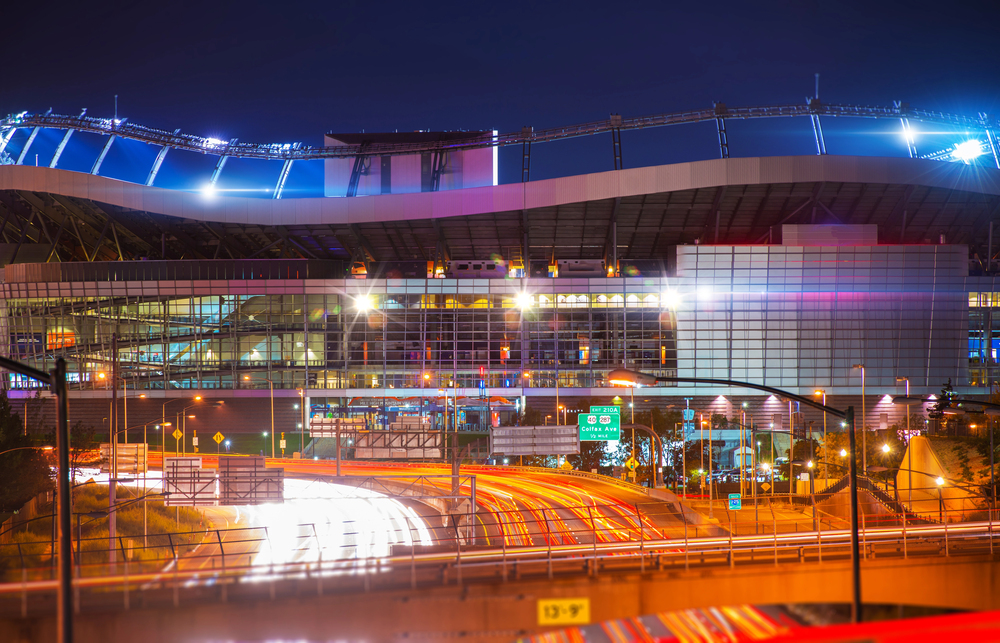
The Story of Mile High Stadium: Denver’s Football Fortress Past, Present, and Future
For generations of Denver fans, “Mile High” is more than a stadium name—it’s a symbol of altitude, attitude, and the kind of football played under the shadow of the Rockies. Over the decades, the Broncos’ home has gone through several versions, each carrying forward tradition while reshaping the fan experience. Now, with whispers of yet another evolution on the horizon, the story of Mile High is still being written.
The Original Mile High (1948–2001)
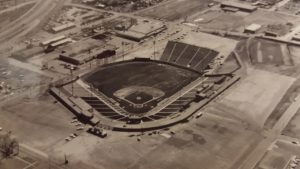
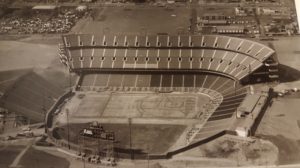
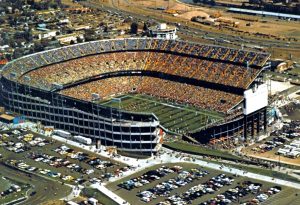
The story began in 1948 with the construction of Bears Stadium, a modest ballpark built for the Denver Bears baseball club. When the Denver Broncos were founded in 1960, temporary stands were quickly added to accommodate pro football. The stadium’s capacity jumped to more than 34,000, and by 1968 the City and County of Denver purchased and expanded the facility, renaming it Mile High Stadium. Over the following decades, expansions pushed seating capacity to roughly 76,000, and the stadium became famous for its deafening roar and the “South Stands” culture that defined Denver fandom.
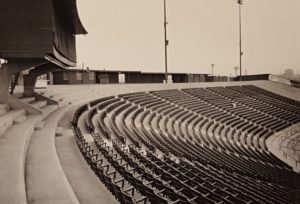
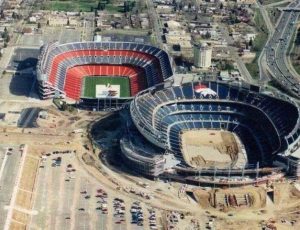
Mile High wasn’t just for football. It hosted NASL soccer matches, the USFL’s Denver Gold, and for two seasons in the early 1990s, the Colorado Rockies baseball team. At its peak, it drew some of the largest baseball crowds in history. The stadium’s legend grew alongside John Elway’s career, and the term “Mile High Magic” became a rallying cry. After the Broncos moved out in 2001, the stadium was demolished in early 2002, with the footprint now marked by parking lots and a scale replica to honor its place in Denver history.
The Next Era: Invesco Field at Mile High (2001)
When it came time to replace the aging structure, Denver built a new $400.9 million stadium right next door. Invesco Field at Mile High opened in August 2001, with a seating capacity of just over 76,000. From the start, designers knew the atmosphere of the old stadium had to live on. Steel deck flooring was installed so that fans stomping their feet could recreate the famous “Mile High Thunder.” The iconic white horse statue “Bucky,” which had stood atop the old scoreboard, was restored and remounted above the new one.
The venue quickly proved to be more than just a football field. It hosted massive concerts, community events, and one of the most memorable political moments of the 21st century: Barack Obama’s 2008 Democratic National Convention acceptance speech.
Name Changes and Modern Identity
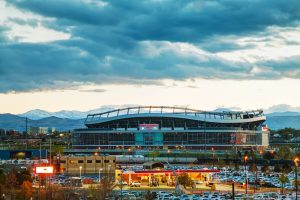
The stadium’s name has shifted with sponsorship deals over the years. From 2011 to 2018, it was known as Sports Authority Field at Mile High. After the company went bankrupt, it briefly reverted to Broncos Stadium at Mile High. In 2019, Empower Retirement purchased naming rights in a 21-year deal, giving us today’s Empower Field at Mile High.
Recent Upgrades
The Broncos and stadium operators have invested heavily to keep the building modern. In 2023, a $100 million renovation brought one of the largest scoreboards in the NFL to the south end zone—measuring 225 feet wide and 72 feet tall—along with new premium spaces, improved concessions, and updated technology. The renovations also saw the beloved “Bucky” statue restored and once again reinstalled, keeping tradition alive in the age of LED and high-definition displays.
The Future: Another Mile High?
Despite the upgrades, questions about the future of Mile High are growing louder. The Broncos’ lease at Empower Field runs through 2030, but the organization is openly studying options. President Damani Leech has confirmed that the team is considering everything from another round of major renovations, to building a new stadium on the current site, to relocating within the metro area. Possible sites in Denver, Aurora, and Lone Tree have all been floated in reports.
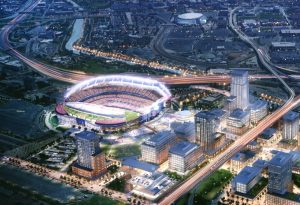
Adding fuel to the speculation are a series of high-profile land purchases near Denver’s Burnham Yard. Since 2023, more than $146 million has been spent by LLCs tied to potential stadium development interests, sparking rumors of a new entertainment district anchored by a future Broncos stadium. For now, the team stresses that no decision has been made.
What Mile High Means Today
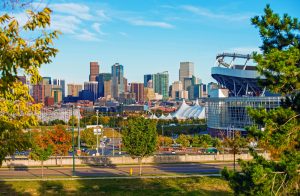
As of 2025, Empower Field at Mile High remains the Broncos’ fortress, filled with memories of Super Bowls, playoff pushes, and the kind of Sunday energy that defines Denver sports. The stadium has already reinvented itself multiple times—from Bears Stadium to Mile High, from Invesco to Empower—and may yet again in the coming years. But no matter what the future holds, the spirit of “Mile High” endures: a mix of altitude, fan passion, and the belief that anything can happen when the Broncos take the field.