Mesa Verde National Park: America’s Hidden Archaeological Treasure
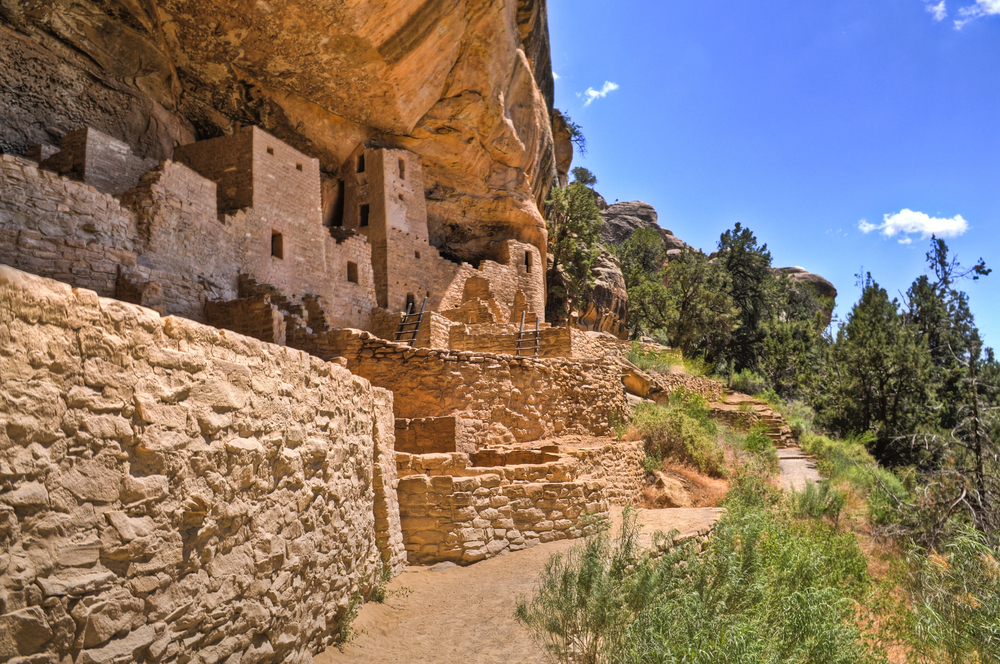
Just hours from Denver, Mesa Verde National Park offers one of the most complete and awe-inspiring archaeological experiences in North America. This UNESCO World Heritage Site preserves over 4,700 archaeological treasures, including 600 remarkably intact cliff dwellings built by the Ancestral Puebloans more than 700 years ago. Carved into sheer canyon walls, these multi-story stone villages remain one of the best-preserved examples of ancient life on the continent, rivaling sites like Machu Picchu — but without the international travel and long lines.
Founded in 1906 as America’s first “cultural” national park, Mesa Verde protects centuries of human history. Visitors can explore everything from early pit houses to the park’s crown jewel, Cliff Palace — a 150-room marvel that once housed around 100 residents. Thanks to the dry climate and natural alcoves, wooden beams, pottery, and even ancient corn cobs have been preserved, offering an unparalleled window into the daily life, engineering, and resilience of the Ancestral Puebloans.
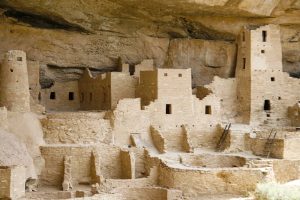
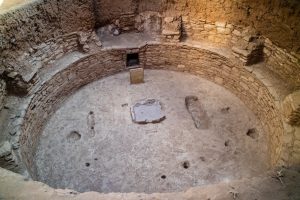
One of the best ways to immerse yourself in Mesa Verde’s history is through the 700 Years Tour, a four-hour guided journey offered from May through October. Starting at Far View Terrace, the tour explores pit houses from 600 CE, defensive towers, ceremonial kivas, and breathtaking canyon overlooks. The experience culminates with a ranger-led exploration of Cliff Palace, where visitors descend ladders into the alcove, touch 800-year-old walls, and walk through the same plazas where families gathered centuries ago.
Planning ahead is key. The nearest major airport is in Durango, 45 minutes from the park, but visitors can also fly into Grand Junction or Colorado Springs. Staying inside the park at Far View Lodge offers the full experience, from sunrise views to stargazing in this certified International Dark Sky Park. With Mesa Verde’s 120th anniversary approaching in 2026, now is the perfect time to explore this remarkable cultural landmark — a rare, uncrowded encounter with an ancient civilization, preserved in the landscape they once called home.