Colorado’s “No-Flush” Wipes Law Isn’t Stopping People From Sending Junk Down the Pipes
More than two years after Colorado tried to crack down on people flushing wipes, wastewater crews say the problem is still flowing straight into the system. In 2023, lawmakers passed Senate Bill 23-150, which requires disposable wipes — from baby wipes to disinfecting cloths — to carry a clear “Do Not Flush” warning. The goal was simple: stop wipes from clogging toilets and sewer lines statewide.
The law came after the pandemic-era wipe craze, when Coloradans were sanitizing everything in sight and flushing far more than sewer systems could handle. Wastewater utilities, including Metro Water Recovery, backed the legislation, calling wipes one of the biggest threats to Colorado’s plumbing and treatment infrastructure.
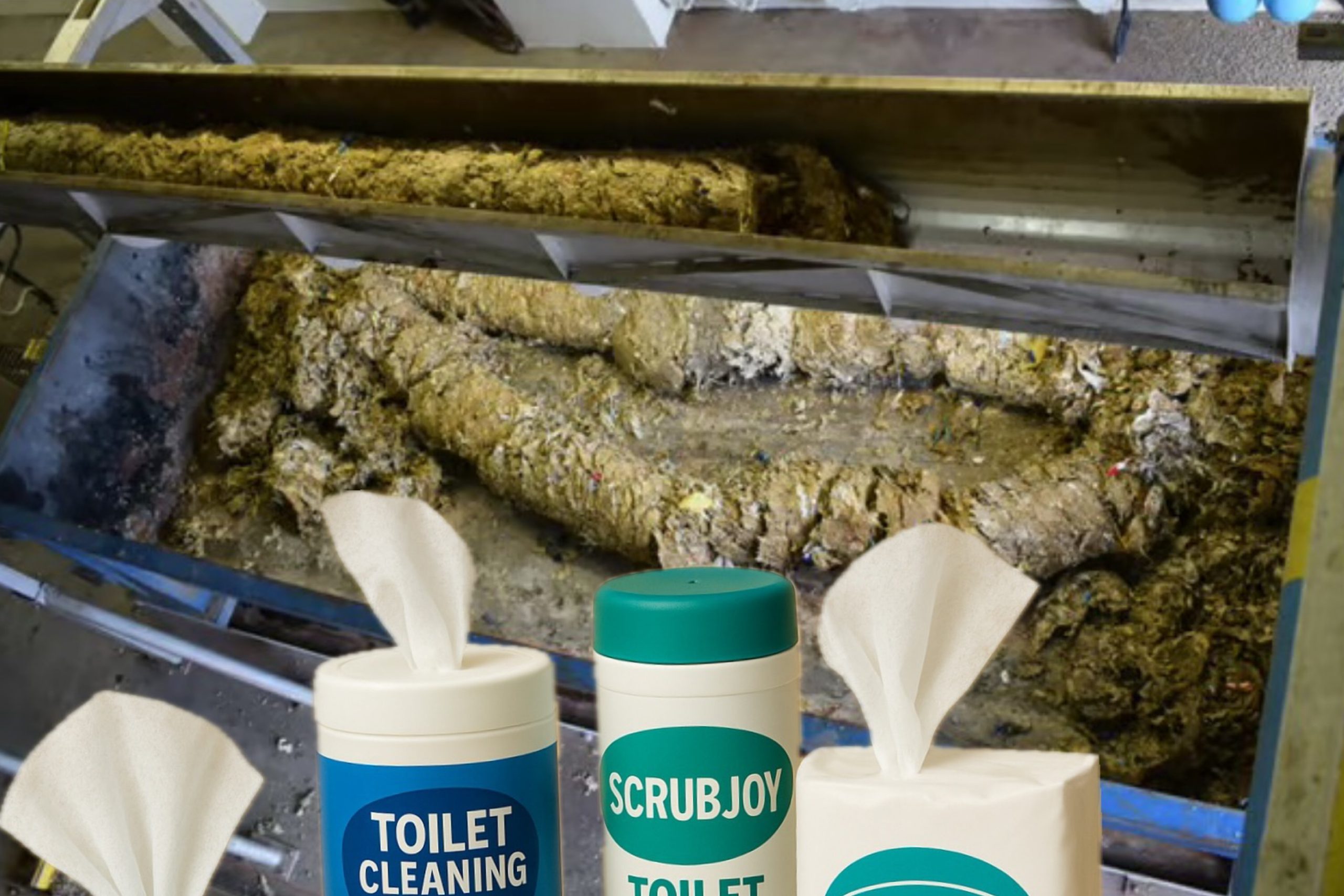
Even with the new labeling rules, crews say wipes continue to cause headaches. Unlike toilet paper, they don’t break down once they’re flushed. Instead, they clump up inside homes, alleyway collection lines, and massive treatment pipelines. When blockages form, workers have to enter confined spaces to clear the mess — a dangerous job involving exposure to hazardous materials.
Metro Water captures solid waste before treatment by compacting it into dense “logs,” and while staff have noticed a slight drop in wipes since the law took effect, plenty still sneak through the system. And wipes aren’t the only culprits. Grease, menstrual products, and other trash continue to show up where they definitely shouldn’t.
Colorado utilities are reminding residents of the “three P’s” rule: only pee, poop, and toilet paper belong in the toilet.Everything else belongs in the trash — no matter what the package says.