
From Secret Tunnels to State Capitol Debate: Denver’s Brothel Past Meets Today’s Sex Work Bill
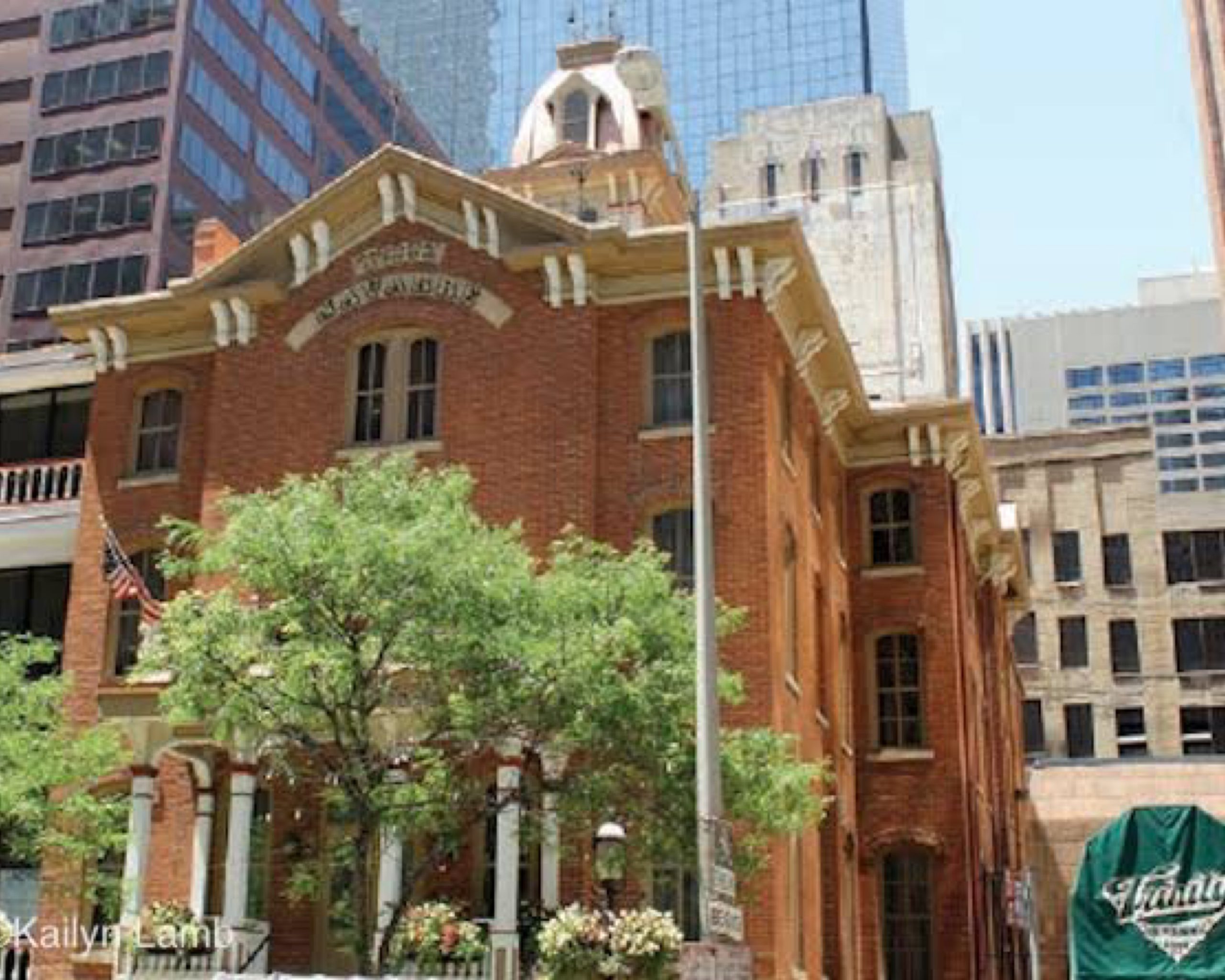
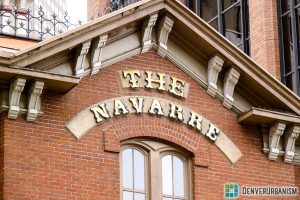
Long before downtown Denver was filled with luxury hotels, high-rise offices and busy sidewalks, parts of the city operated with a very different kind of nightlife. In the late 1800s and early 1900s, just across the street from the Brown Palace Hotel, a building known as the Navarre gained a reputation as one of Denver’s most notorious brothels and gambling houses.
The Brown Palace opened in 1888 and quickly became one of the most prestigious hotels in the West. Wealthy travelers, politicians and business leaders regularly stayed there. Directly across the street, however, the Navarre developed a much different reputation. Originally built as a private school for young women, the building soon transformed into an upscale house of prostitution that catered to some of the same elite clientele staying at the Brown Palace.
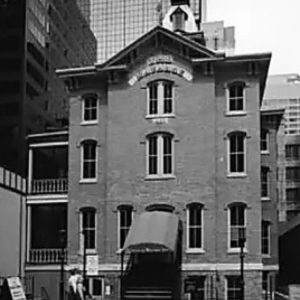
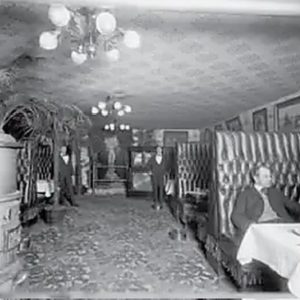
Stories from the era describe the Navarre as a high-class parlor house where wealthy businessmen could drink, gamble and spend time with women in private rooms away from the public eye. One of the most persistent pieces of local lore claims there was once a secret tunnel running beneath the street connecting the Brown Palace to the Navarre. According to the legend, hotel guests could discreetly slip underground and enter the brothel without being seen leaving the hotel. Whether the tunnel was actually used that way has long been debated, but the story has become part of downtown Denver history.
During Denver’s early boom years, prostitution was far more visible than it is today. The city’s rapid growth from mining and railroad money created an environment where gambling halls, saloons and brothels thrived alongside legitimate businesses. While city leaders often publicly condemned prostitution, it was frequently tolerated in certain districts as a reality of frontier life.
Over time, pressure from reform movements and changing laws pushed brothels out of downtown Denver and into the shadows. Buildings like the Navarre eventually transitioned to other uses as the city tried to move away from its Wild West reputation and present itself as a modern metropolitan center.
More than a century later, however, the topic of sex work has once again become part of the public conversation in Colorado. Earlier this year, lawmakers introduced a bill that would have decriminalized prostitution between consenting adults. The proposal would have removed criminal penalties for prostitution, solicitation and paying for sex while keeping laws in place against human trafficking, coercion and exploitation.
Supporters of the proposal argued that decriminalizing sex work could make the industry safer by allowing workers to report violence or abuse without fear of being arrested themselves. Critics raised concerns that removing criminal penalties could lead to increased trafficking or other unintended consequences if not carefully regulated.
The bill ultimately stalled before receiving a full vote after it became clear there was not enough support in the legislature to move it forward this year. Still, the conversation it sparked reflects a growing national debate about how governments should approach sex work in modern society.
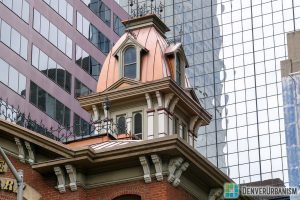
For a city like Denver, the debate carries an interesting historical echo. More than 100 years ago, one of the most talked-about brothels in the city quietly operated just steps away from one of the most elegant hotels in the country. Today, the conversation has shifted from hidden tunnels and secret visits to policy discussions at the state capitol about whether the profession should remain criminalized at all.
Denver may look very different today than it did during its Wild West days, but the city’s complicated history with vice continues to shape the conversations happening here today.









Discussion about this post