
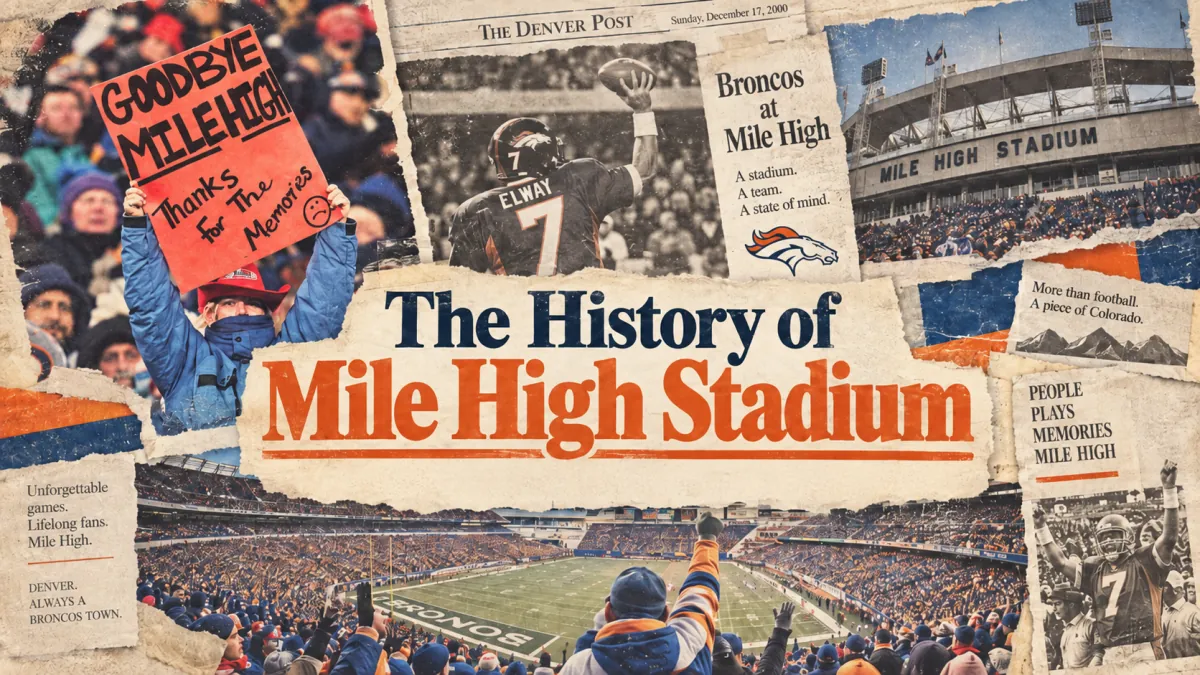
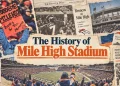
The History of Mile High Stadium
For more than 50 years, the stadium that became Mile High was one of the most important places in Colorado sports. From baseball games to Broncos Sundays, it became part of Denver history.
From Bears Stadium to Mile High
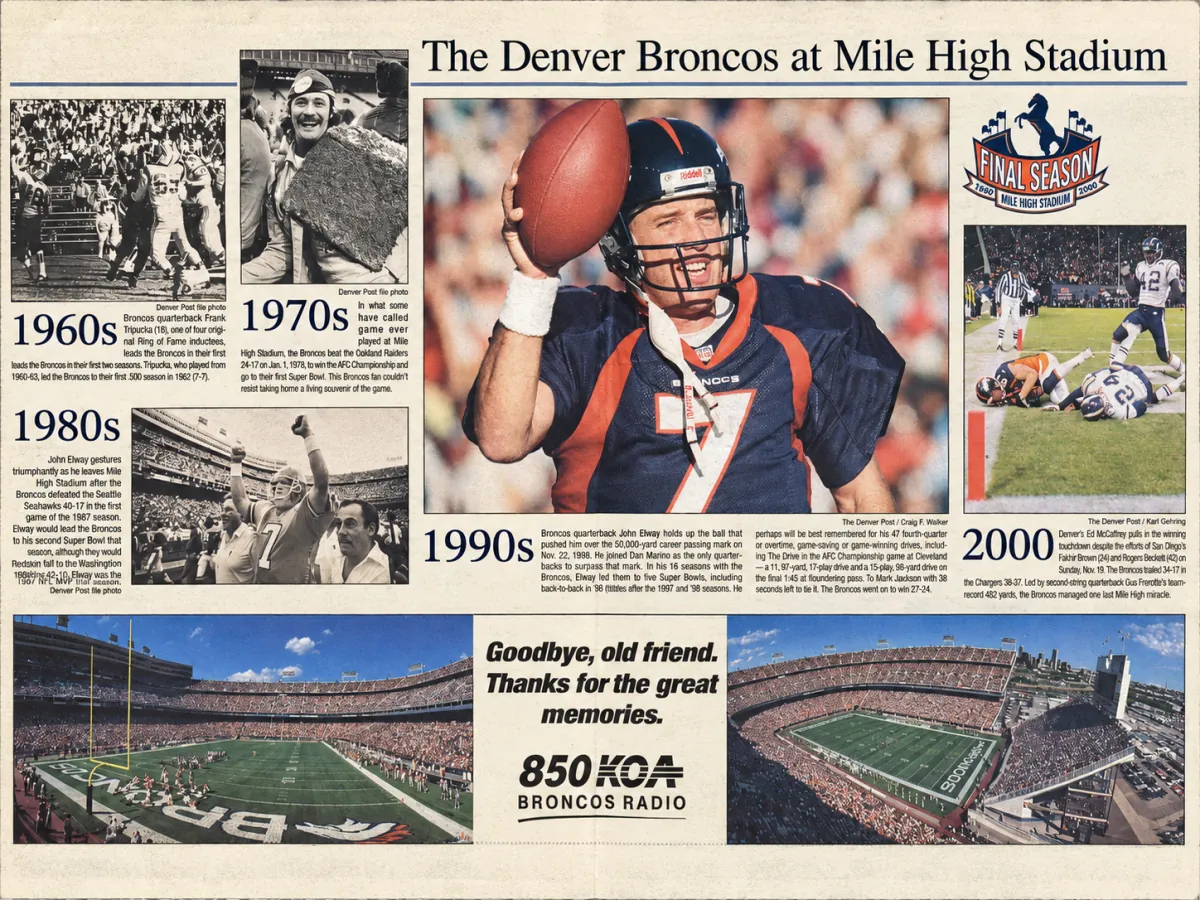
The stadium opened in 1948 as Bears Stadium, home of the Denver Bears baseball team. When the Denver Broncos began play in 1960, the stadium became their home too. As the Broncos grew in popularity, the stadium expanded with them. In 1968, the City of Denver purchased the stadium and renamed it Mile High Stadium. By the 1970s, Broncos football had become a major part of Denver culture.
The Broncos Break Through
One of the biggest moments in Mile High history came on January 1, 1978, when the Broncos beat the Oakland Raiders 20-17 in the AFC Championship Game, sending Denver to its first Super Bowl. Fans poured onto the field after the win, helping cement Mile High’s reputation as one of the loudest and most intense stadiums in football.
The Elway Years
The 1980s and 1990s became the John Elway era. Mile High was home to some of the most memorable games in Broncos history, including the 1984 Snow Bowl against Green Bay and a long list of late comebacks that helped create the idea of “Mile High Magic.”
In January 1988, Denver beat Cleveland 38-33 in the AFC Championship Game after Jeremiah Castille forced Earnest Byner’s famous goal-line fumble. Denver also pulled off plenty of dramatic regular-season wins there, including a 20-19 comeback over Kansas City in 1992 after trailing 19-6 late in the game.
More Than Football
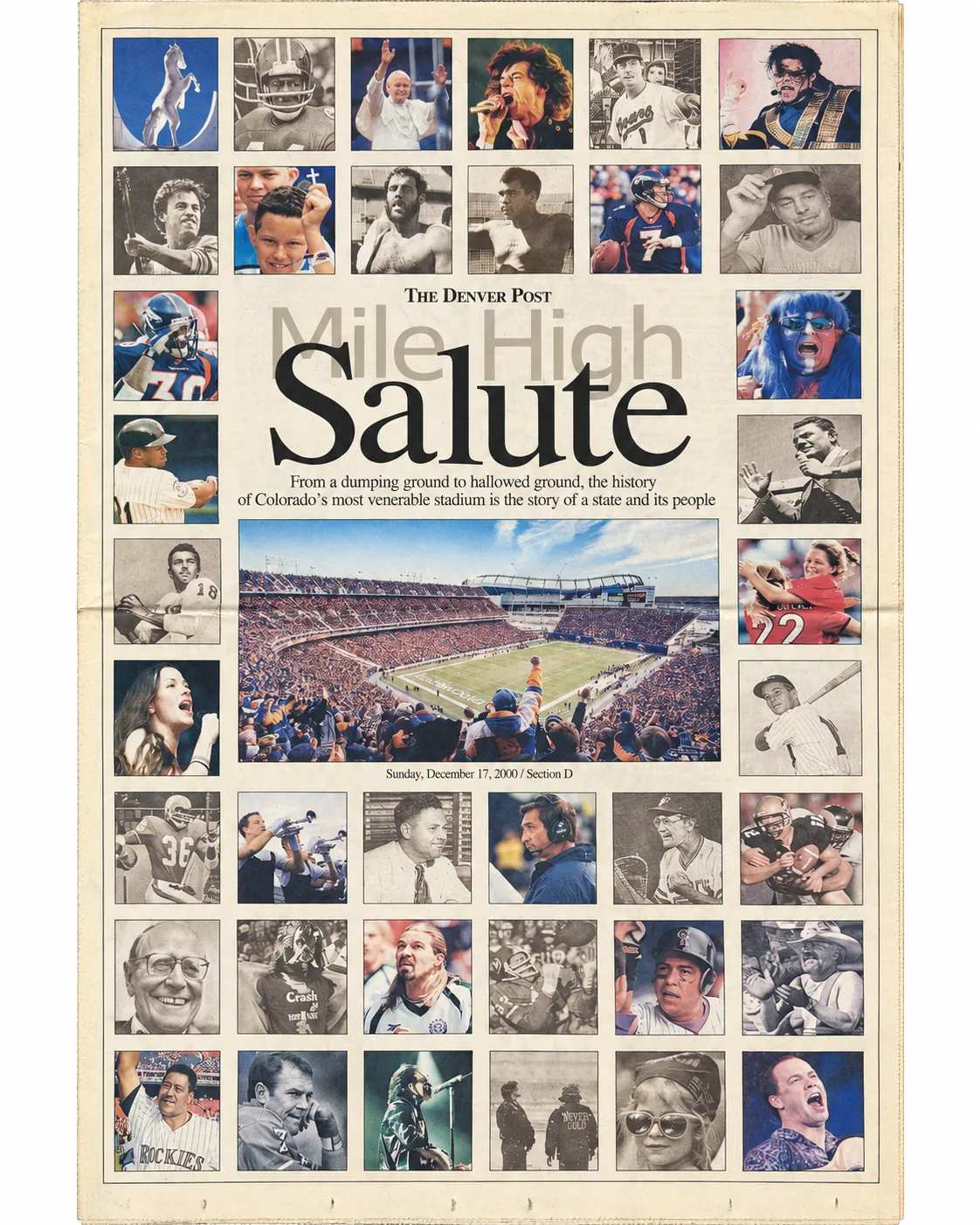
Mile High wasn’t only home to the Broncos. The stadium also hosted baseball, soccer, concerts and other major events. The Colorado Rockies played their first two seasons there before Coors Field opened.
But football became the building’s identity. Packed stands, orange-clad fans, cold-weather games and the sound of the crowd became part of what made Mile High different.
The Final Season
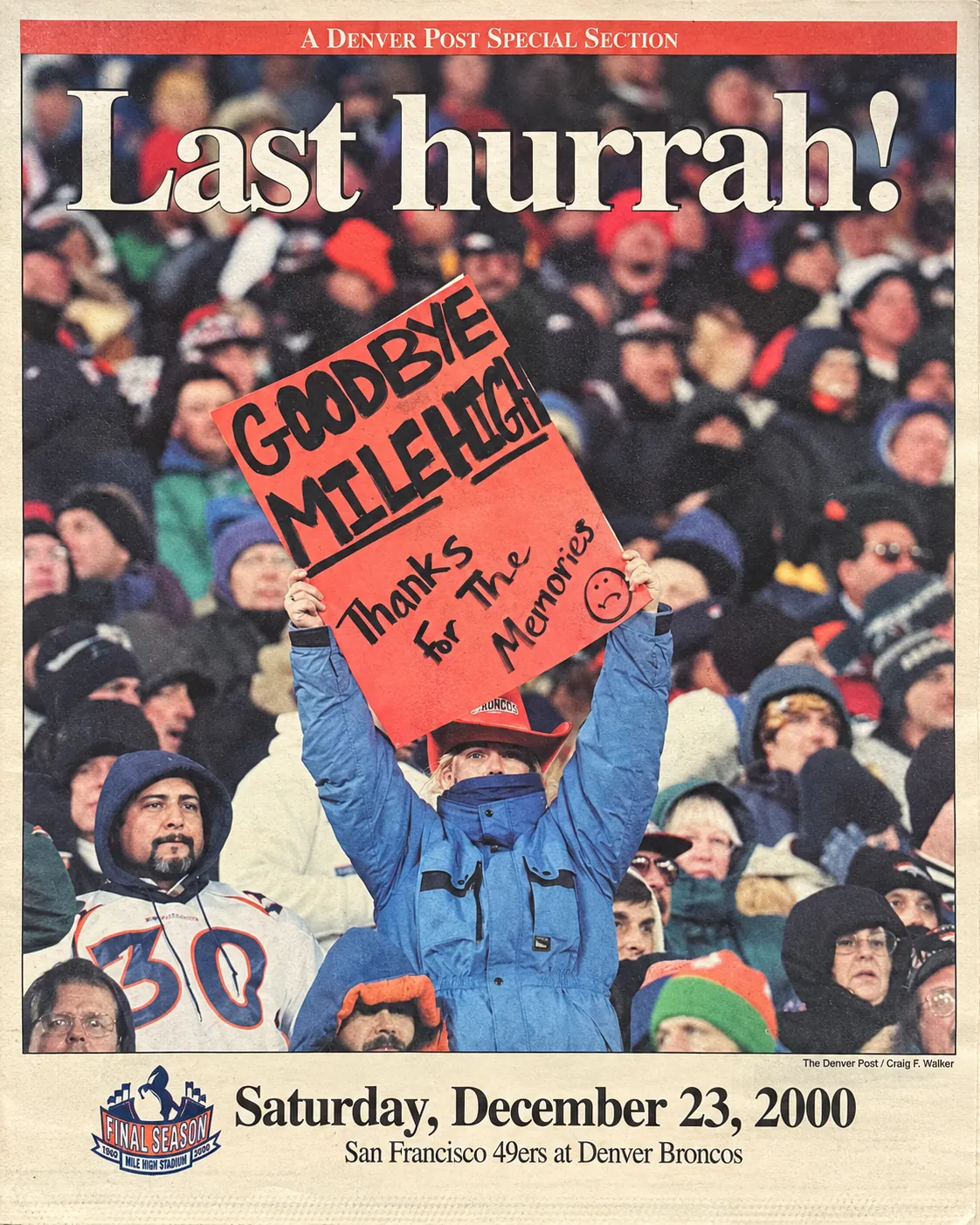
The Broncos played their final season at the original Mile High Stadium in 2000. That year, The Denver Post published a special section looking back at the stadium’s history, memorable games and the people who filled the stands.
One image from that final season summed it up perfectly: a fan holding a sign that read “GOODBYE MILE HIGH — Thanks for the Memories.”The original Mile High Stadium was demolished in 2002, but the name never really disappeared. The stadium is gone, but Mile High is still part of Denver.



Discussion about this post