
Century-Old Sewer Discovery Added $18 Million and Nearly a Year to Denver’s 16th Street Project
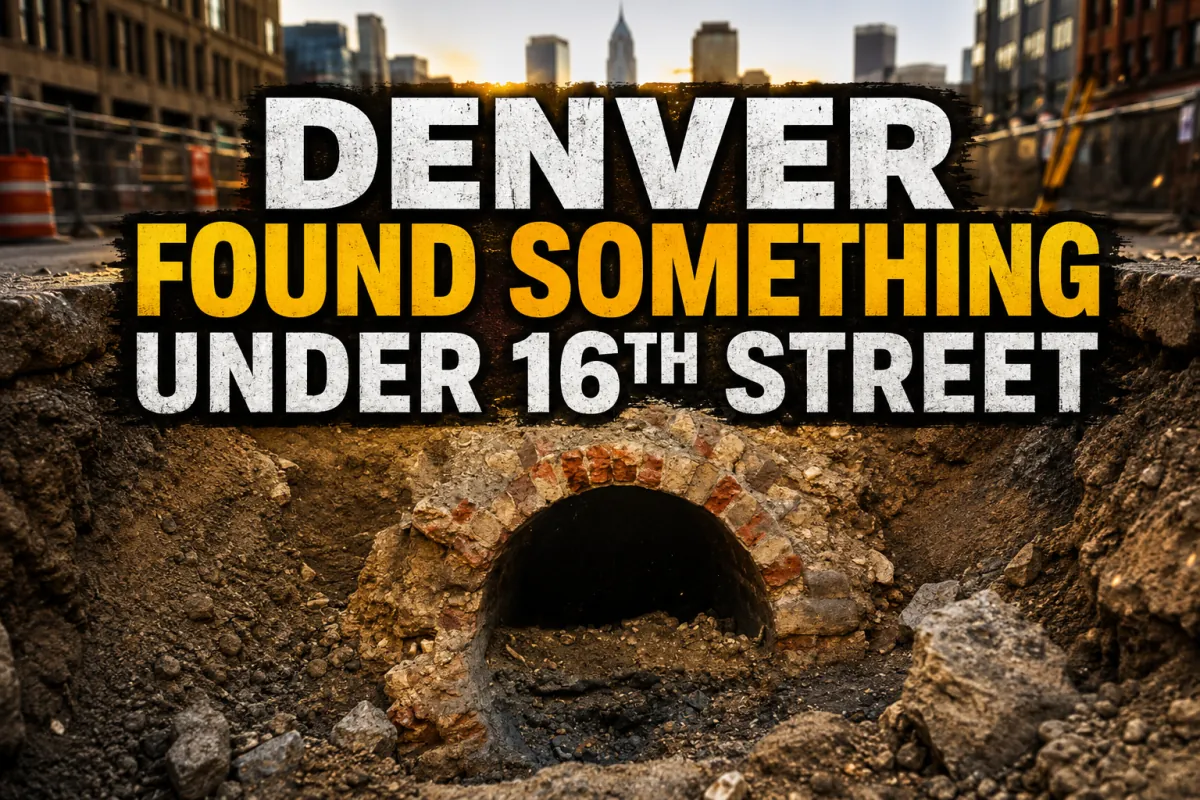
Denver’s massive 16th Street renovation ran into an unexpected problem hiding beneath downtown: an old brick storm sewer that wasn’t on the city’s maps.
A newly released review from the Denver Auditor’s Office found that the discovery contributed to a 301-day delay and an additional $18 million in costs on the already-expensive downtown construction project.
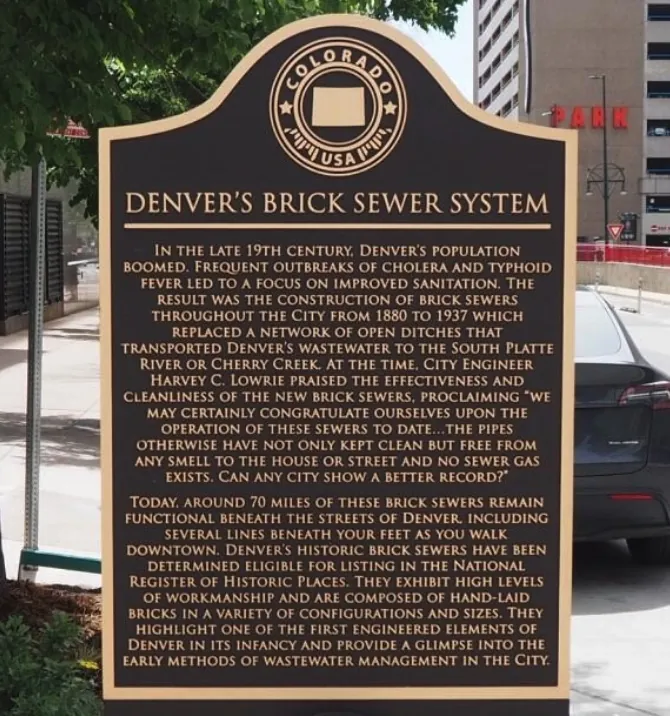
The sewer was uncovered in May 2022, about a year after work began. Denver still has more than 69 miles of brick storm sewers built between 1880 and 1937, but the city does not have a complete map showing exactly where all of them are located.
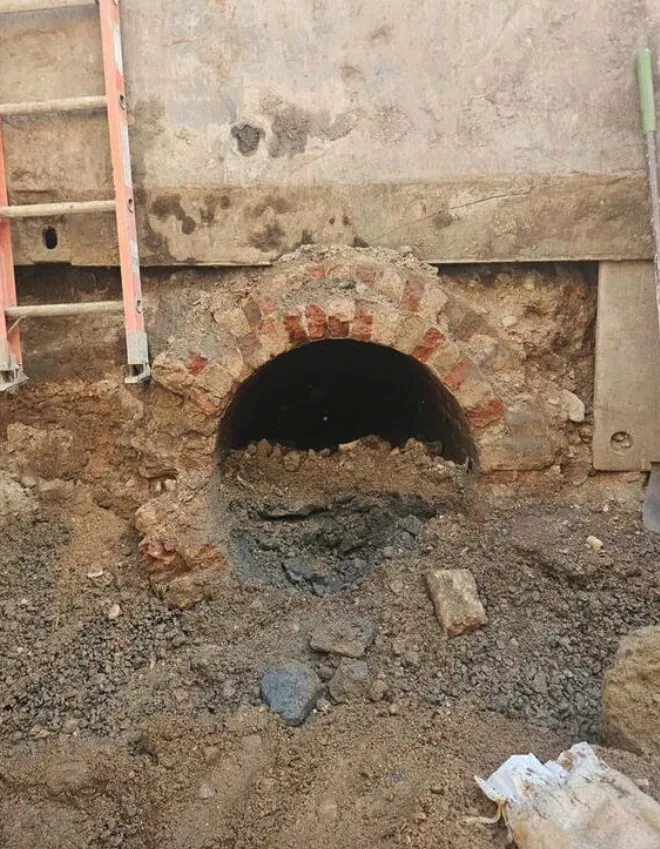
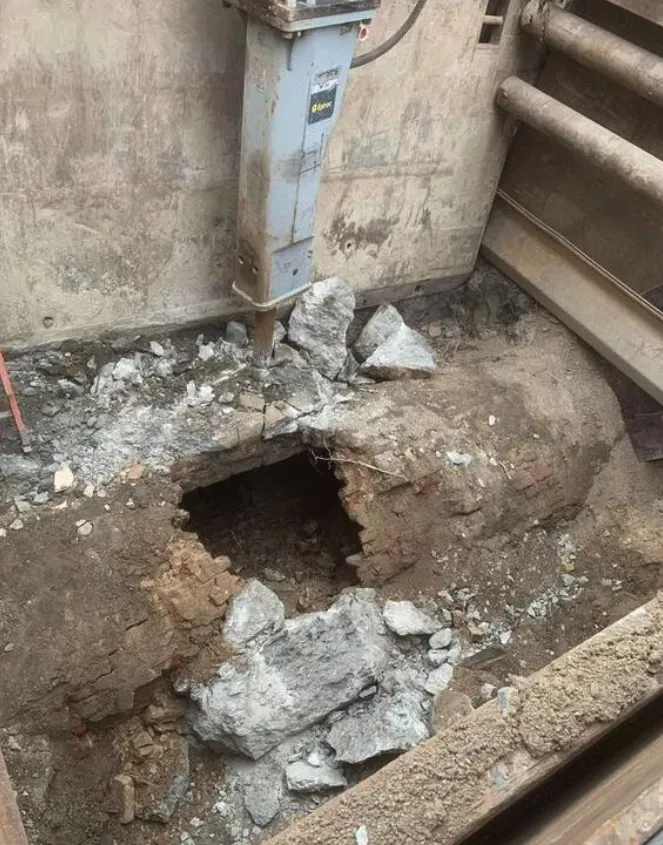
 Once crews discovered the sewer beneath 16th Street, construction in the affected area stopped while historic preservation requirements were addressed.
The city initially argued that contractor PCL Construction was responsible for utility-related risks. However, because the possibility of encountering the historic brick sewer wasn’t included in the city’s project proposal, Denver ultimately agreed to compensate the contractor for costs and delays.
That resulted in an $18 million change order and pushed the construction schedule back by 301 days.
 The auditor’s review also raised questions about how the additional money was approved. According to the report, Denver City Council did not vote on the $18 million increase and learned about the expense after the money had already been paid.
Denver’s Department of Transportation and Infrastructure maintains that it followed city policy. Officials said the additional expense was handled as a change order involving delays and construction sequencing rather than a contract amendment that would have required council approval.
The 16th Street project ultimately had 11 change orders totaling $27.2 million.
 Originally approved as a $149 million construction contract in 2021, the massive downtown renovation was completed in September 2025 at a total cost of approximately $175.6 million.
The project replaced aging infrastructure and redesigned the former 16th Street Mall to create a more pedestrian-friendly downtown corridor. The original mall had opened in 1982, and Denver had been considering a major renovation since 2007.
The sewer discovery also highlights a larger challenge beneath Denver’s streets. Along with historic brick sewers, portions of the city contain old water, steam, electrical, gas, telecommunications and other infrastructure that may not be completely documented.
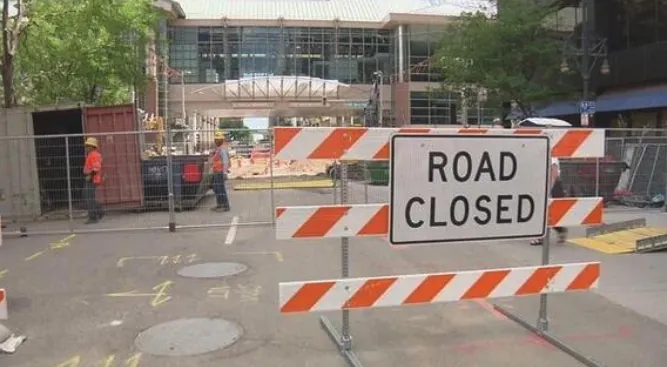 For businesses along 16th Street, the additional delay meant even more time dealing with construction. Some businesses reported significant declines in customers while streets and sidewalks were disrupted.
While the newly renovated 16th Street is now complete, the auditor’s report shows just how much an unexpected piece of Denver history buried underground added to one of the city’s biggest downtown projects.





Discussion about this post