Denver’s Cold Snap Is Here — What Pet Owners Need to Know to Keep Dogs Safe
As colder weather finally settles into Denver and across the Front Range, veterinarians and local pet experts are reminding dog owners to take extra steps to keep their pets safe during winter outings.
One of the biggest concerns during cold snaps is hypothermia, with frostbite also possible during prolonged exposure to extreme cold. Ice-melt products used on sidewalks can irritate paw pads and become dangerous if dogs lick them, potentially causing digestive or electrolyte issues. Experts recommend wiping paws after walks or using dog booties to reduce contact, noting that even products marketed as pet-safe can still be harmful if ingested.
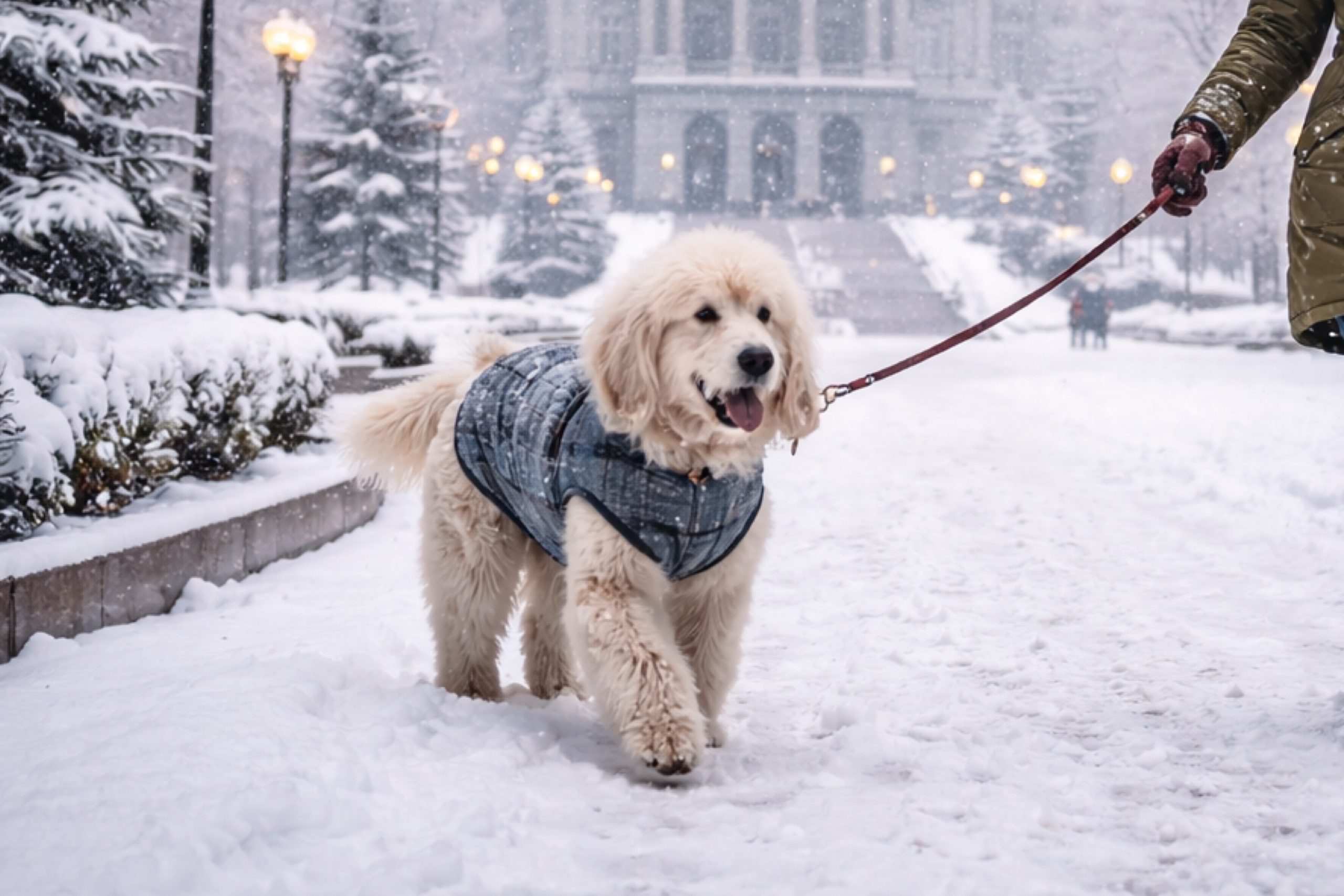
Most dogs are generally comfortable in temperatures above 45 degrees, but smaller breeds and dogs with short coats are more vulnerable to colder conditions. A simple rule of thumb is that if it feels cold to a person, it likely feels cold to a dog as well. When temperatures drop below freezing, especially near zero, outdoor time should be limited to five to ten minutes, with sweaters or boots used for added protection. Owners should watch for signs that a pet is too cold, such as shivering, refusing to walk, lifting paws, vocalizing, or trying to head back inside. Trimming long hair between toe pads can also help prevent snow buildup.
Local pet supply stores report that many owners are already purchasing waterproof jackets, layered coats, and paw protection, even during relatively mild winter days. While daytime temperatures may feel comfortable, cold evenings can still pose risks, especially for dogs walked after sunset. Many winter coats now include reflective details or attachment points for small lights to improve visibility.
Waterproof outerwear can also make cleanup easier by preventing snow from sticking to a dog’s fur after a walk. As winter weather takes hold in Denver, experts say simple precautions and short adjustments to routines can help keep dogs warm, safe, and comfortable.